
When installing vortex flowmeters outdoors, special attention must be paid to the impact of environmental factors on measurement accuracy and equipment service life. Outdoor vortex flowmeters are widely used in industrial fields such as petroleum, chemical industry, water treatment, and heating systems. Reasonable installation and regular maintenance are the key to ensuring their stable operation and accurate measurement. The following are the detailed precautions for the installation location and daily maintenance of vortex flowmeters, for engineering and maintenance personnel"s reference:

1. Vortex Flowmeter Installation Location Selection
The selection of the installation location directly affects the measurement accuracy and service life of the vortex flowmeter. It is necessary to avoid various interference factors and ensure the stable operation of the equipment.
1.1 Avoid Vibration Interference
Keep the vortex flowmeter away from vibration sources such as pumps, compressors, and valves. If it is unavoidable to be close to vibration sources, install shock-absorbing brackets to reduce the impact of vibration on the flowmeter probe and sensor, so as to avoid signal distortion and affect measurement accuracy.
1.2 Avoid Strong Electromagnetic Fields
Maintain an appropriate safe distance from electrical equipment such as frequency converters and large motors. Strong electromagnetic fields will interfere with the signal transmission of the vortex flowmeter, leading to inaccurate measurement data. It is recommended to keep a distance of more than 1.5 meters to ensure the stability of the signal.
1.3 Avoid Extreme Temperature Environments
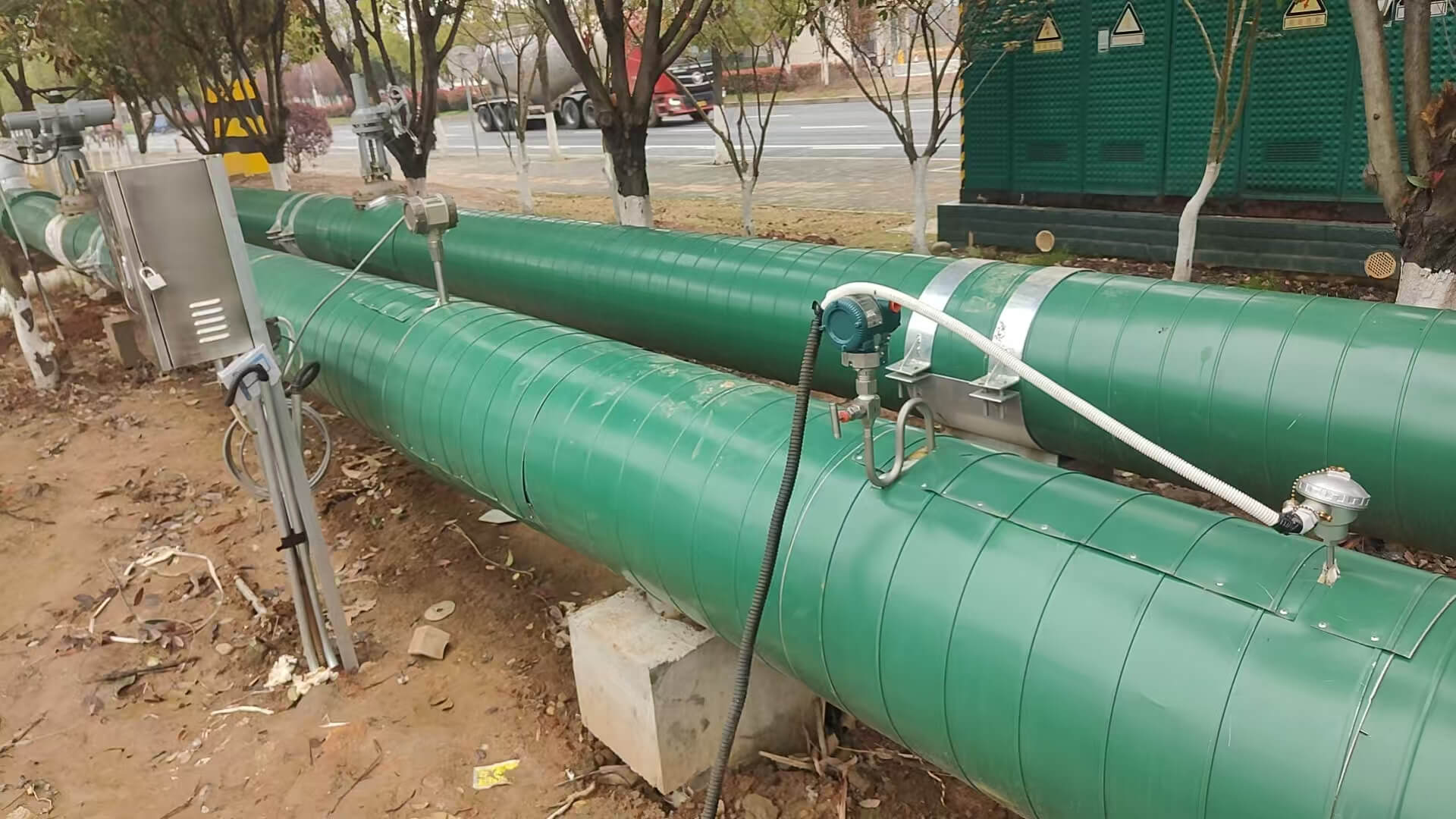
Avoid installing the vortex flowmeter near high-temperature heat sources and radiation sources. In high-temperature environments, install heat sinks or sun visors, and take effective heat insulation and ventilation measures to prevent the equipment from overheating and damaging internal components. In extremely cold regions, heat tracing and insulation measures (such as electric heat tracing) must be implemented to prevent the measured medium from freezing, which will damage the flowmeter and affect normal measurement.
1.4 Ensure Stable Pipeline Support
According to on-site working conditions, install pipeline fastening devices at appropriate positions upstream and downstream of the vortex flowmeter. Add anti-vibration pads between the pipeline and the support to enhance the anti-vibration effect, ensure the stability of the vortex signal, and avoid the flowmeter from being damaged due to pipeline shaking.
1.5 Do a Good Job in Waterproof and Moisture-Proof
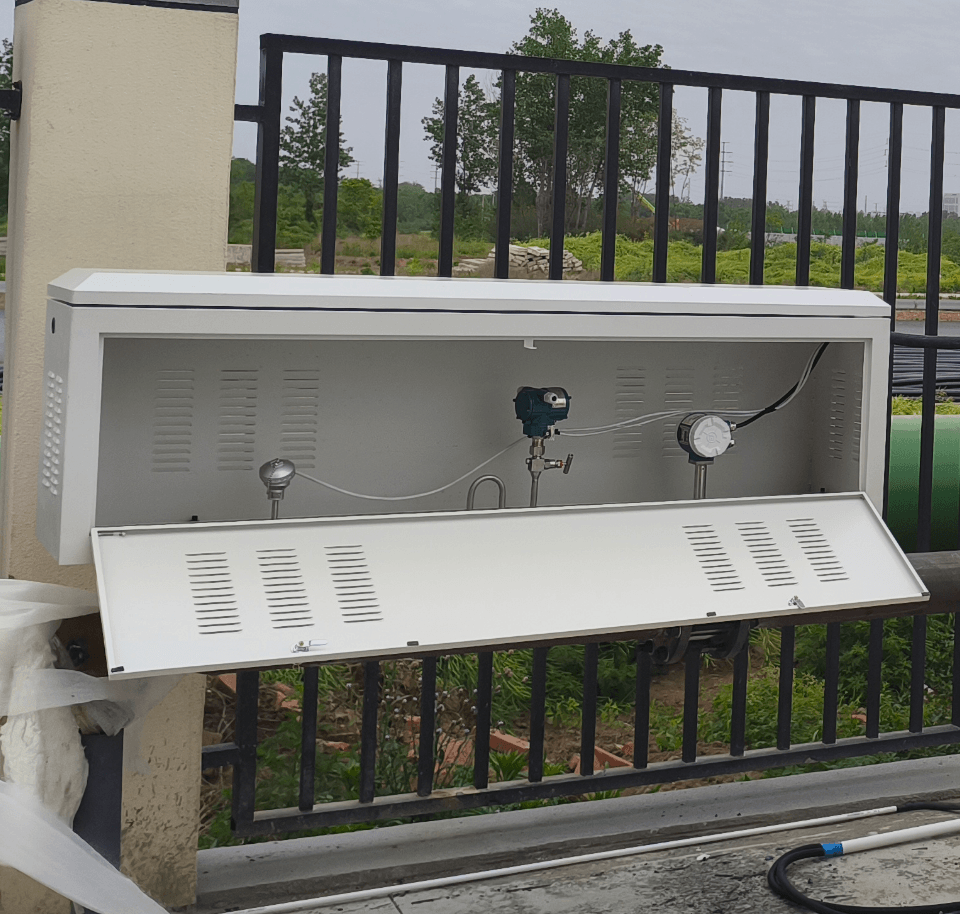
Priority should be given to selecting vortex flowmeters with a protection level of ≥ IP65, which can effectively prevent dust and water intrusion. In addition, install protective covers or rain shelters to avoid direct washing of the instrument and junction box by rainwater. Special attention should be paid to bending the cable into a U-shape at the electrical interface to prevent rainwater from entering the amplifier housing along the cable, which will cause short circuits and damage the equipment.
2. Daily Maintenance of Vortex Flowmeter
Regular daily maintenance can significantly extend the service life of the vortex flowmeter, ensure its long-term stable operation outdoors, and maintain high measurement accuracy. The specific maintenance precautions are as follows:
2.1 Protect the Probe and Avoid Random Disassembly
When maintaining the vortex flowmeter, pay special attention to protecting the probe. Do not disassemble the probe casually to avoid damaging the probe or sensor, which will lead to equipment failure. If the probe is found to be abnormal, contact professional maintenance personnel for handling.
2.2 Regular Cleaning of Probe
If there is dirt, scale or impurities in the measured medium, the probe surface needs to be cleaned regularly to ensure its cleanliness. When cleaning, use a soft cloth to wipe gently, and it is strictly forbidden to scratch the probe surface with hard objects, so as not to affect the measurement accuracy.
2.3 Ensure the Sealing of the Amplifier Housing
After wiring and debugging, the end cover of the amplifier housing should be tightened appropriately to ensure its sealing performance. During maintenance and inspection, it is necessary to check whether there is liquid or debris inside the housing, and clean it in time if any, to prevent internal components from being corroded or short-circuited.
2.4 Safe Maintenance Operation
Before carrying out maintenance work, the power supply of the vortex flowmeter must be cut off. For high-pressure or high-temperature pipelines, it is necessary to wait for the pipeline to cool down and depressurize before maintenance to avoid safety accidents. In addition, non-professionals are prohibited from disassembling various components of the flowmeter without authorization to prevent equipment damage and safety risks.
Conclusion
By selecting a reasonable installation location and conducting regular and standardized daily maintenance, the service life of the outdoor vortex flowmeter can be significantly extended, and it can maintain stable and accurate operation for a long time. To ensure that the vortex flowmeter operates normally under different working conditions and meets the differentiated needs of different users, Qingdao Hesheng Measurement and Control, a professional flowmeter manufacturer, provides comprehensive pre-sales, in-sales and after-sales services. We can help users customize measurement solutions, select appropriate models, guide on-site installation, and provide comprehensive technical training and support for user operation and maintenance personnel, ensuring the safe, accurate and stable operation of the instrument.
If you have any questions about vortex flowmeters, industrial instruments, heating network measurement and other related issues, please feel free to contact Qingdao Hesheng Measurement and Control at any time!