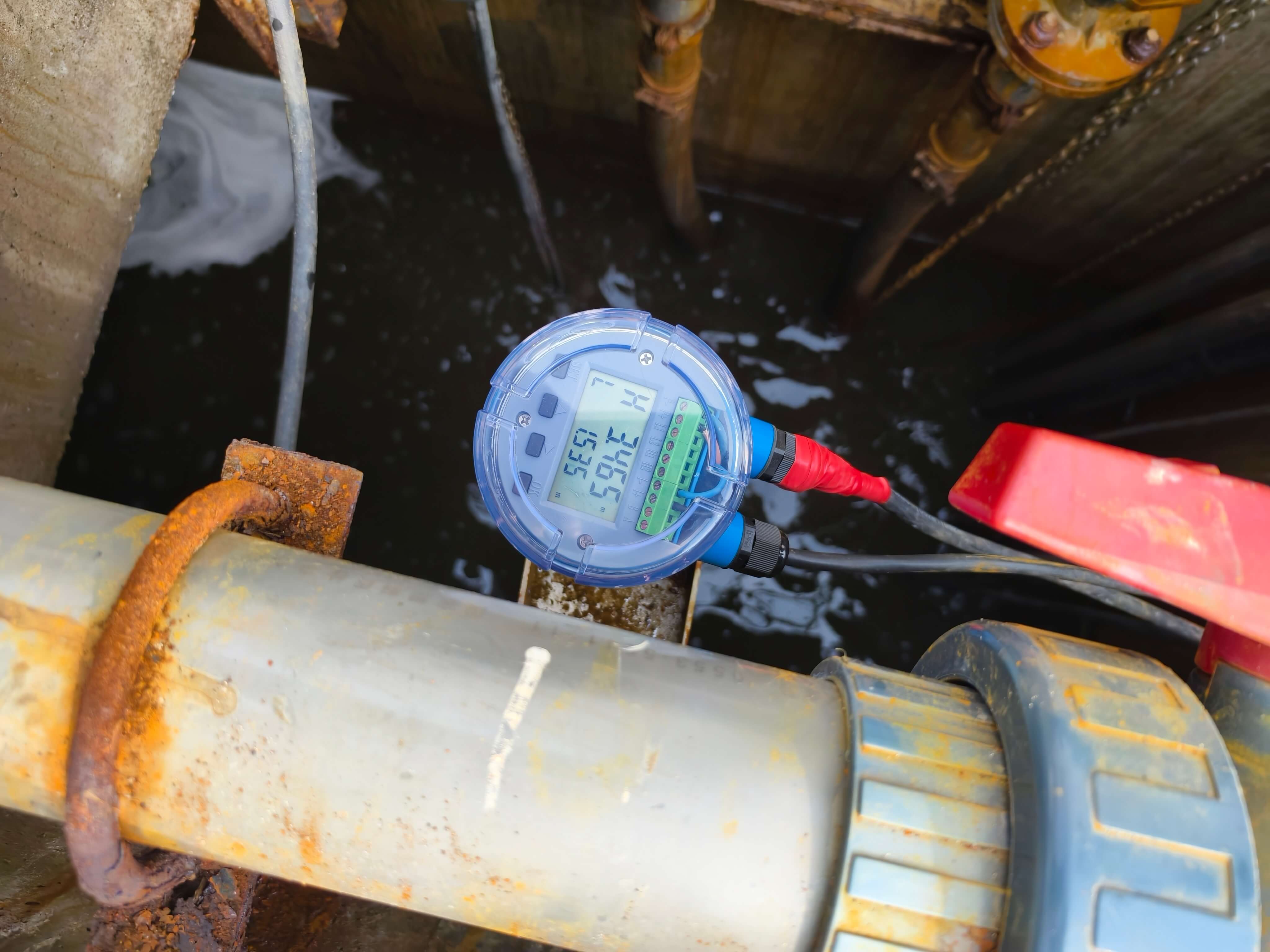

Submersible vs Ultrasonic Level Transmitters: A Practical Guide for Industrial Applications
Submersible and ultrasonic level transmitters are the workhorses of industrial liquid level measurement. The fundamental difference lies in their measurement principle and contact method, which directly dictates performance, reliability, and suitability for different operating environments.
Submersible Level Transmitters (Contact-Type Hydrostatic)
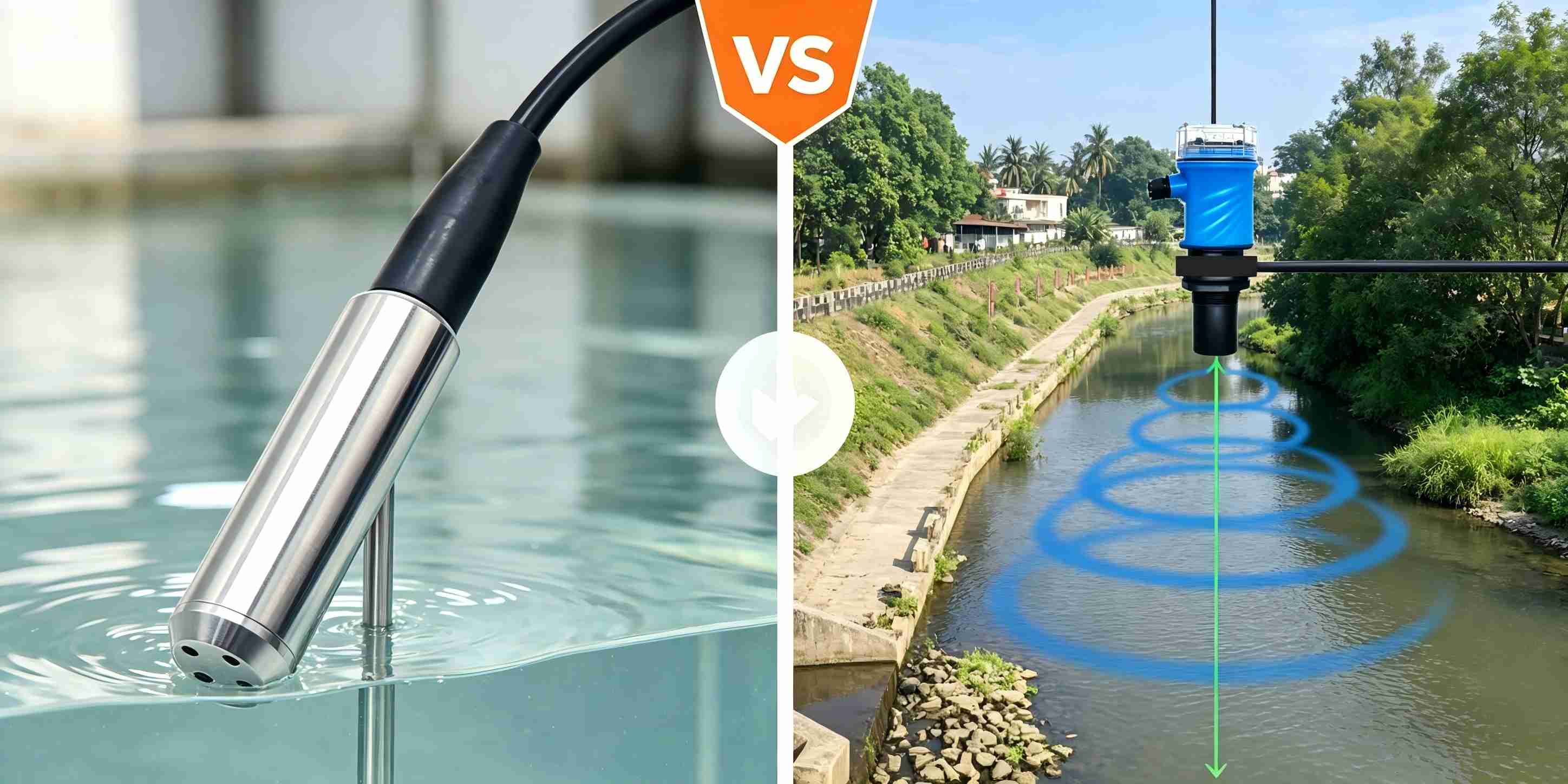
Submersible level sensors operate on hydrostatic pressure. The probe is fully immersed in the process liquid, where it measures the pressure exerted by the liquid column above it. This pressure reading is then converted into a corresponding level height.
Core Advantages:
Proven high accuracy and long-term stability in stable conditions
Cost-effective with straightforward installation and commissioning
Insensitive to foam, steam, and surface turbulence
Ideal for clean water, wastewater, and bulk oil storage tanks
Key Limitations:
Prone to clogging, fouling, and scaling in high-solids liquids
Not recommended for highly corrosive, high-temperature, or viscous media
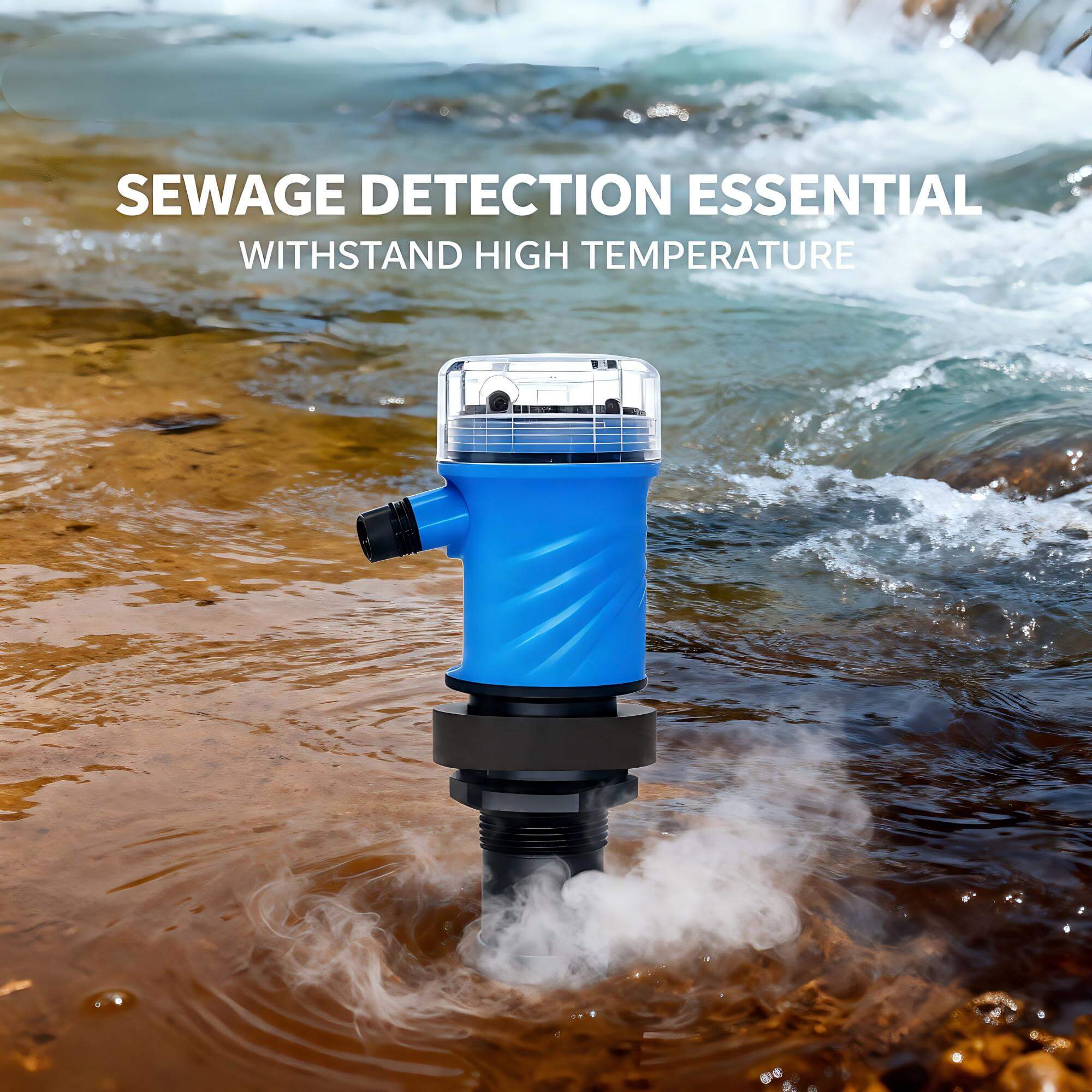
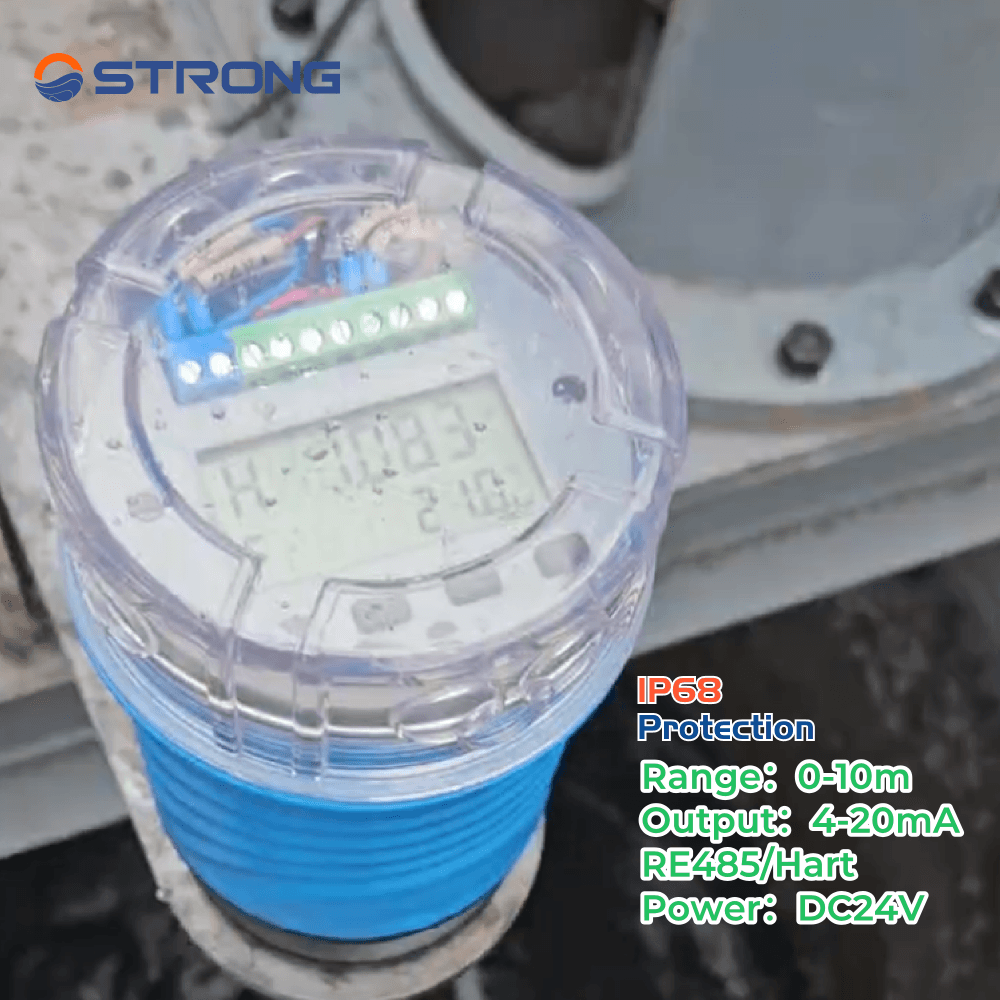
Ultrasonic Level Transmitters (Non-Contact Time-of-Flight)
Ultrasonic level sensors rely on non-contact ultrasonic time-of-flight technology. They emit high-frequency sound pulses toward the liquid surface, measure the time taken for the echo to return, and calculate the level based on the speed of sound.
Core Advantages:
No direct contact with the process medium, making it suitable for corrosive, crystallizing, or hazardous liquids
Minimal maintenance and easy installation
Versatile for most liquids and even some bulk solids
Key Limitations:
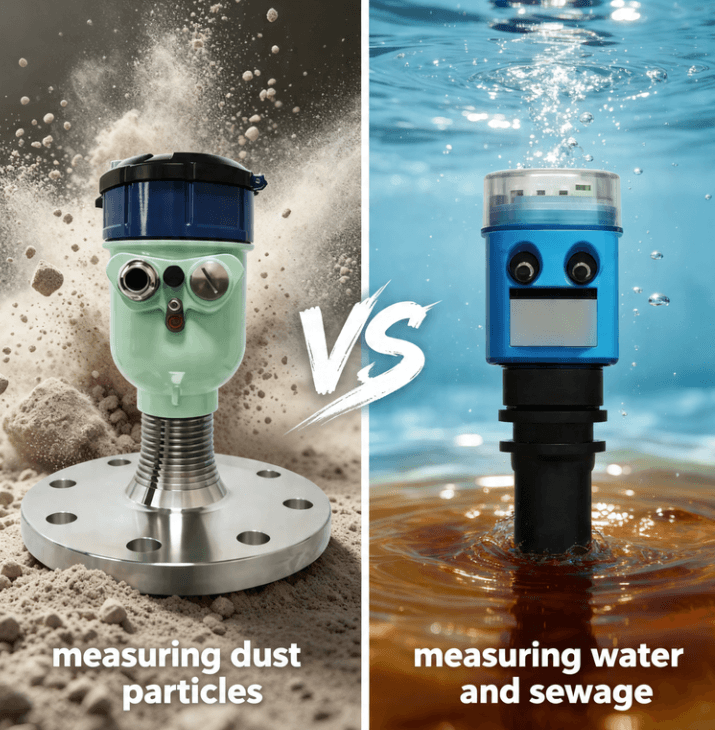
Performance degraded by foam, vapor, dust, and significant temperature swings
Less reliable in high-pressure or highly turbulent applications
Struggles with thick vapors, heavy agitation, or uneven surface conditions
Quick Selection Guide
Choose a submersible level transmitter when you need reliable, high-accuracy measurement in stable, clean or wastewater applications with a focus on low cost.
Choose an ultrasonic level transmitter when the medium is corrosive, hazardous, food grade use or difficult to handle, and non-contact measurement is a requirement.
The optimal solution depends on your specific medium properties, process conditions, and maintenance strategy. Both technologies are proven performers, but matching the transmitter to your operating environment is critical for long-term reliability.