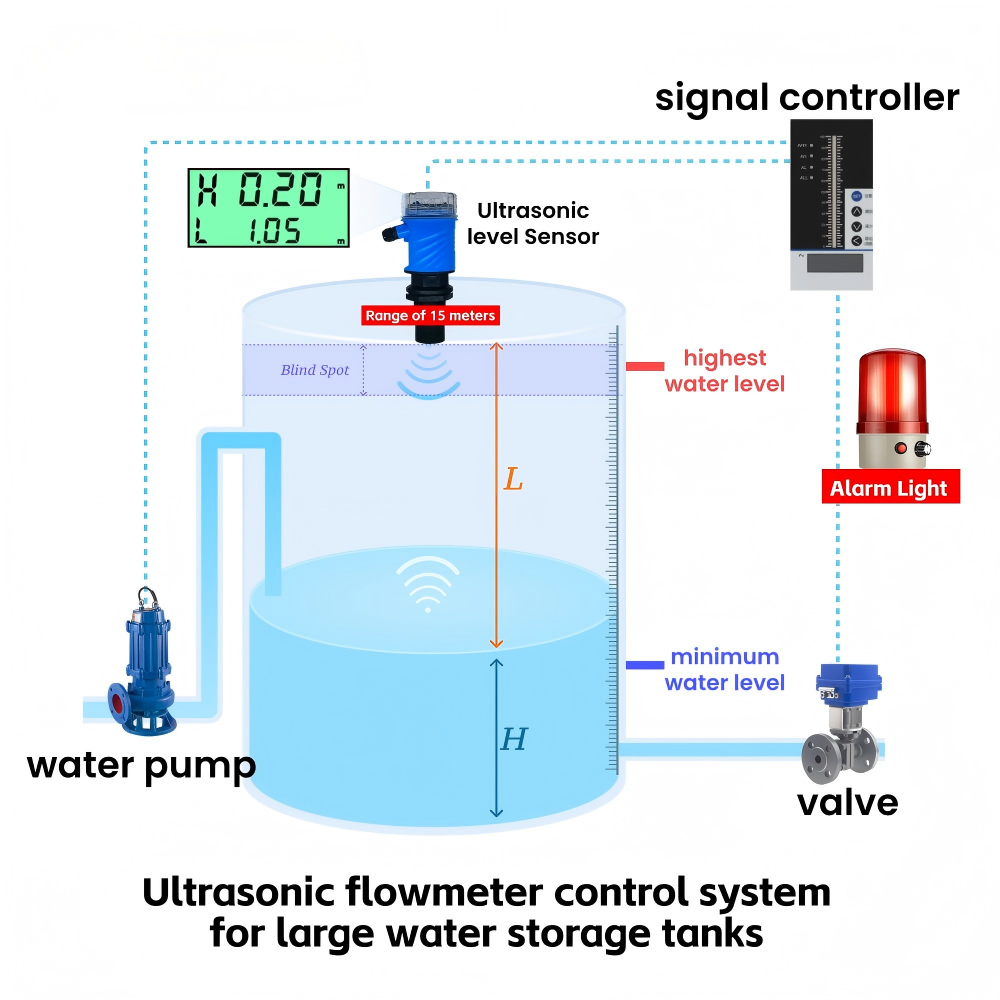

Selecting the ideal level meter presents a significant challenge for engineers, procurement teams, and project managers. Many Clients grapple with the decision between ultrasonic level meters and 80G radar level meters—two leading non-contact level measurement solutions. While both find widespread use in industrial automation, their fundamental working principles, performance characteristics, and optimal application scenarios differ significantly.
This definitive guide compares ultrasonic and 80G radar level meters across 5 critical dimensions, empowering you to make the perfect choice, minimize failure risks, and reduce long-term maintenance costs.
Working Principle & Environmental Stability
Ultrasonic level meters rely on sound waves for distance measurement. As sound requires a transmission medium (typically air), its speed is highly susceptible to temperature fluctuations. While effective in stable environments, ultrasonic meters often falter in harsh conditions.
80G radar level meters employ high-frequency electromagnetic waves. Independent of air or other mediums, they deliver unwavering stability regardless of temperature extremes, pressure variations, or vacuum environments. This inherent resilience makes 80G radar the more reliable contender for demanding industrial sites.
Performance in Foam Conditions
Foam presents a frequent challenge in wastewater, chemical, and food processing applications.
Ultrasonic signals dissolve readily within foam. When foam coverage surpasses 40%, the meter frequently loses signal integrity or yields unstable, erratic readings.
80G radar waves penetrate foam layers up to 5cm thick, maintaining consistent, dependable measurement. For foam-heavy applications, 80G radar emerges as the superior, fail-safe solution.
Performance in Steam & Dust Environments
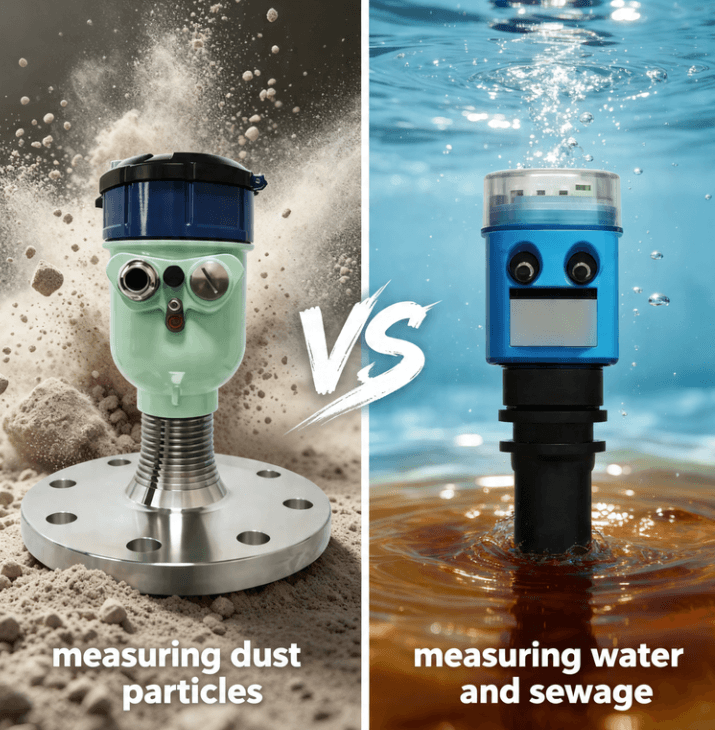
Steam, dust, and mist severely degrade ultrasonic signals, often culminating in complete measurement failure—a common plight in hot water tanks, cement plants, and mining operations.
80G radar level meters boast exceptional signal penetration power. They remain virtually immune to steam, dust, or mist, guaranteeing rock-solid performance even within the heaviest industrial atmospheres.
Blind Zone, Beam Angle & Installation Flexibility
Ultrasonic level meters feature a substantial blind zone (0.3–0.5m) and a wide beam angle (10°–20°). This necessitates ample installation space and careful avoidance of tank walls, mixers, and internal obstacles.
80G radar level meters offer an ultra-small blind zone (as low as 0.1m) and an exceptionally narrow beam angle (only 3°–5°). They excel in confined spaces and demonstrate remarkable resilience against tank structure interference.
When precision matters:
· Ultrasonic: ±0.25% – 0.5%
· 80G radar: ±1–2mm (delivering superior accuracy for critical processes)
Cost & Application Scenarios
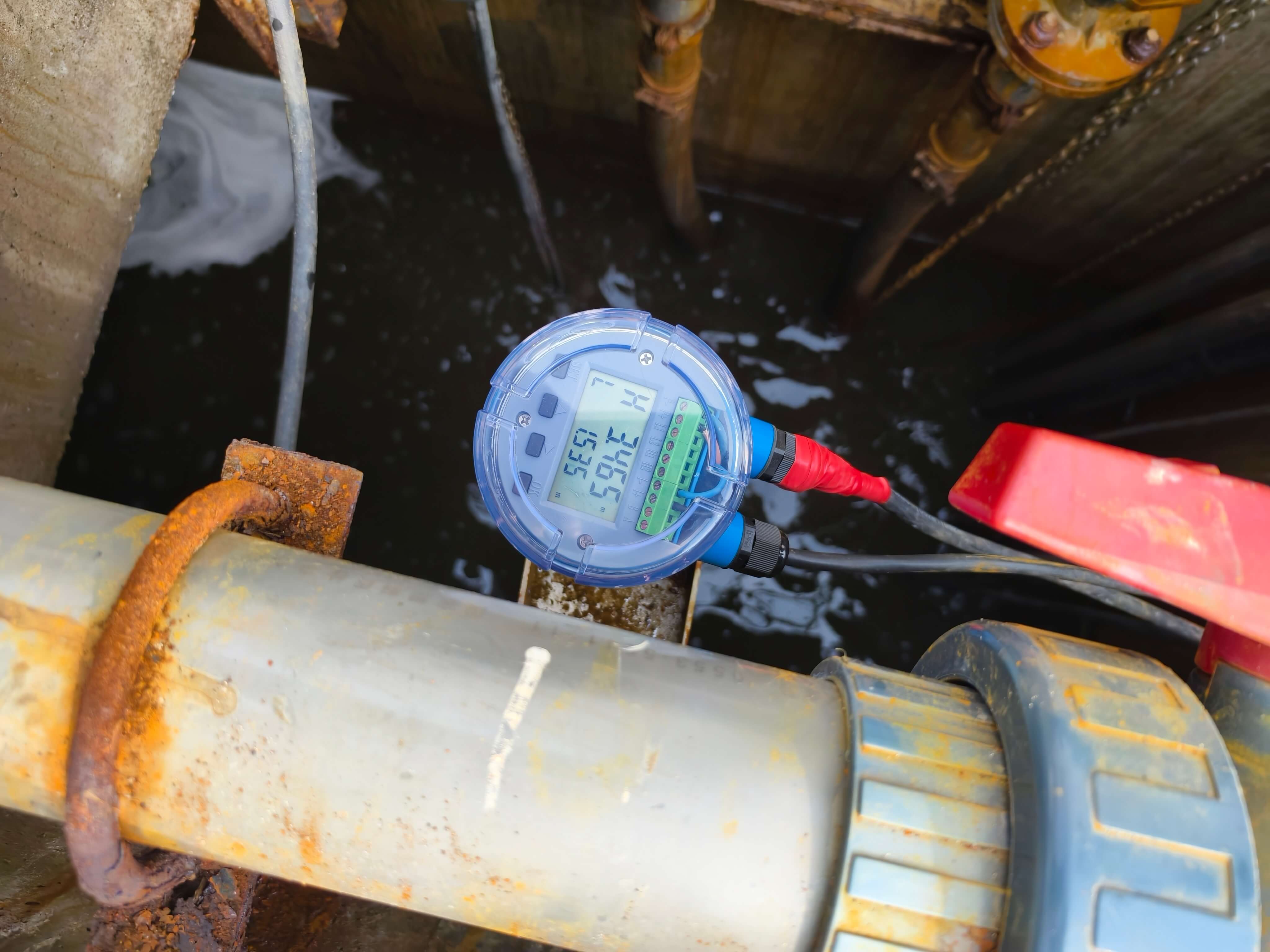
Ultrasonic level meters provide a cost-effective solution, ideally suited for simple, clean, and stable environments:
· Clean water reservoirs
· Standard wastewater tanks
· Open water channels
· General industrial storage vessels
80G radar level meters represent a premium investment upfront but yield exceptional long-term value in complex, demanding settings:
· Applications plagued by foam, steam, or dust
· High-temperature or high-pressure tanks
· Chemical, petroleum, and pharmaceutical processes
· Scenarios requiring high-precision level control
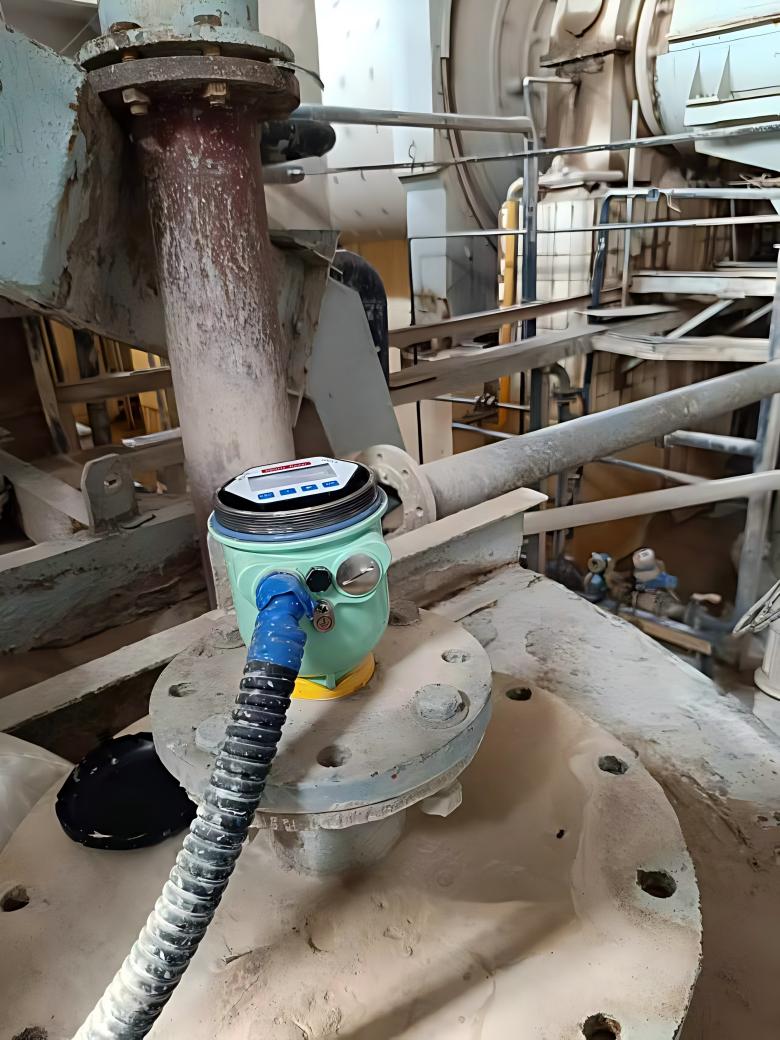
Final Recommendation: Which Technology Wins Your Application?
· Choose ultrasonic level meters if your environment remains simple, stable, and free of heavy foam, steam, or dust.
· Deploy 80G radar level meters if you demand unwavering stability amidst foam, steam, dust, high temperatures, or require high-precision measurement.
Remember: There is no universal "one-size-fits-all" instrument—only the optimal solution tailored to your specific working conditions. Selecting wisely prevents recurring failures, costly downtime, and unnecessary maintenance expenses.