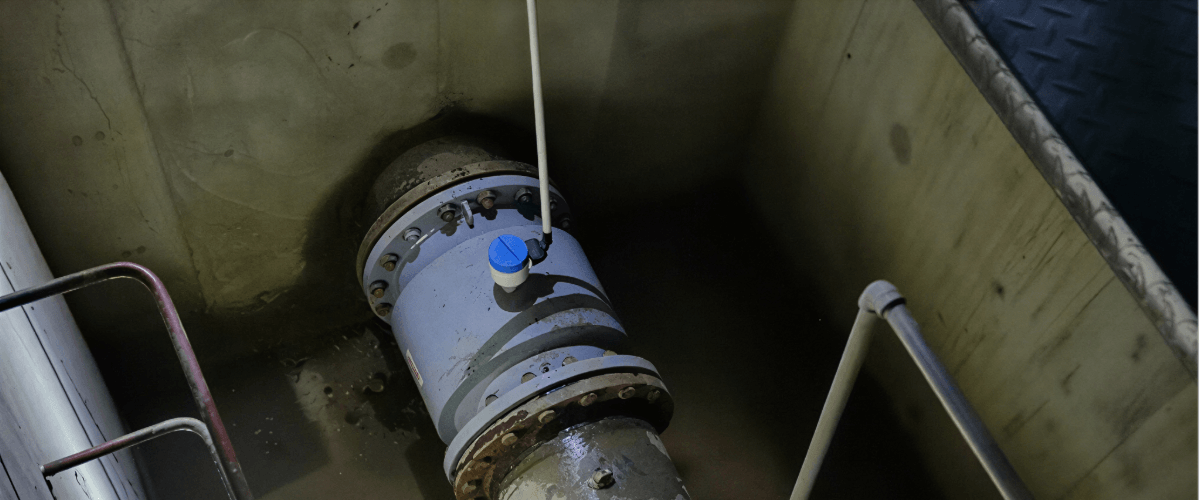

Electromagnetic flowmeters are conductive liquid volume flow measuring instruments developed based on Faraday"s law of electromagnetic induction. They are the mainstream flow measuring equipment in industrial processes, water utilities, and environmental protection fields. Their core advantages and disadvantages, as well as application fields, are as follows:
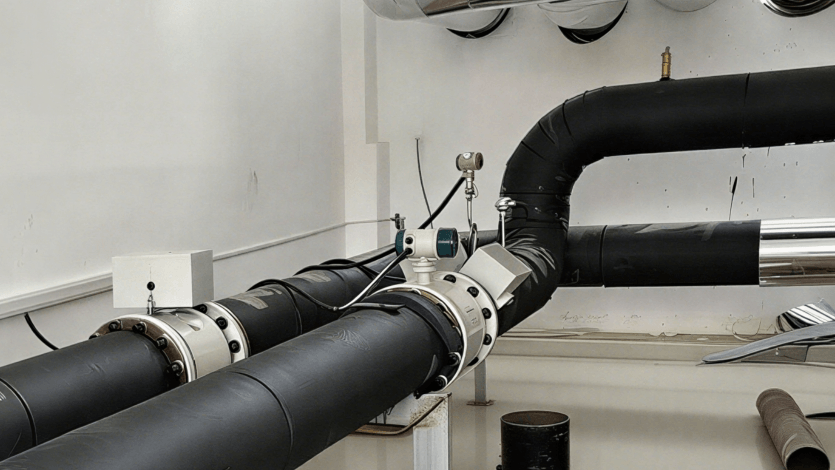
High precision and strong stability: The measurement results are not affected by fluid density, viscosity, temperature, and pressure. The long-term operation error is small, and frequent calibration is not required.
No pressure loss and long service life: The straight-through design has no throttling elements or moving parts, resulting in almost no additional pressure loss and higher energy efficiency; there are no wearing parts, leading to low failure rates and a long service life.
Adapting to complex media: It can stably measure sewage and sludge containing particles and fibers, as well as strongly corrosive acid and alkali liquids, simply by matching the corresponding lining and electrode materials.
Wide adaptability to working conditions: It has a wide range ratio, which can cover scenarios with large flow fluctuations; it has a fast response speed, can accurately capture instantaneous flow, and supports forward and reverse bidirectional flow measurement.
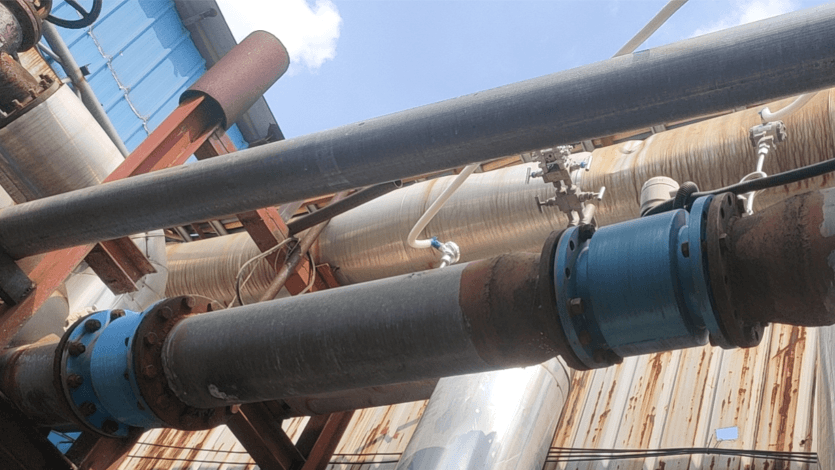
Low operation and maintenance costs: low requirements for straight pipe sections before and after, easy installation; only simple inspections are needed daily, no frequent disassembly and calibration required.
The medium limitation is extremely strong: it can only measure conductive liquids and cannot measure non-conductive media such as gases, vapors, oils, ultrapure water, and organic solvents. This is the most core threshold for use.
Strict requirements for installation conditions: It is necessary to ensure that the measuring pipe is completely full. Excessive gas accumulation and bubbles in the pipe will directly lead to inaccurate measurement, and installation at the highest point of the pipeline is prohibited.
Low upper limits of temperature and pressure resistance: Due to the limitation of the lining material, the maximum long-term temperature resistance of the conventional model does not exceed 180°C, and the upper pressure resistance limit of large-diameter instruments is low, making them unsuitable for high-temperature and high-pressure extreme working conditions.
Limited anti-interference capability: The measurement signal is a weak electrical signal, which is easily interfered by strong electromagnetic fields and high-power equipment; medium scaling and particle scouring will wear the electrodes and linings, affecting the measurement or even damaging the instrument.
Small-caliber products have low cost performance: For small-caliber models of DN15 and below, the procurement cost is much higher than that of other types of flowmeters with the same caliber, resulting in weak market competitiveness.
Municipal water and environmental protection: water intake/pipe network metering for tap water, full-process flow monitoring of sewage treatment plants, environmental protection emission supervision, and runoff metering in sponge cities.
Chemical and petrochemical industry: flow measurement and production control of strong corrosive media such as acids, alkalis, and salts, chemical solutions, process circulating water, and oilfield reinjection water.
Power and energy industry: flow measurement of circulating water, desulfurization and denitrification slurry, and water treatment systems in thermal power plants; monitoring of various power station cooling systems and geothermal power generation fluids.
Metallurgical and mining industry: water treatment in steel plants, metering of pickling waste liquids, flow monitoring of mine slurry, tailings slurry, mineral processing wastewater, and underground filling systems
Food and pharmaceutical industry: hygienic measurement of liquid foods such as milk and beverages; flow control of liquid medicines and purified water in the pharmaceutical industry, complying with relevant hygienic production standards
Water Conservancy and Agriculture: Large-diameter flow trade settlement for irrigation district water conveyance and cross-regional water diversion projects; flow control for smart agricultural water-saving irrigation and water-fertilizer integration systems