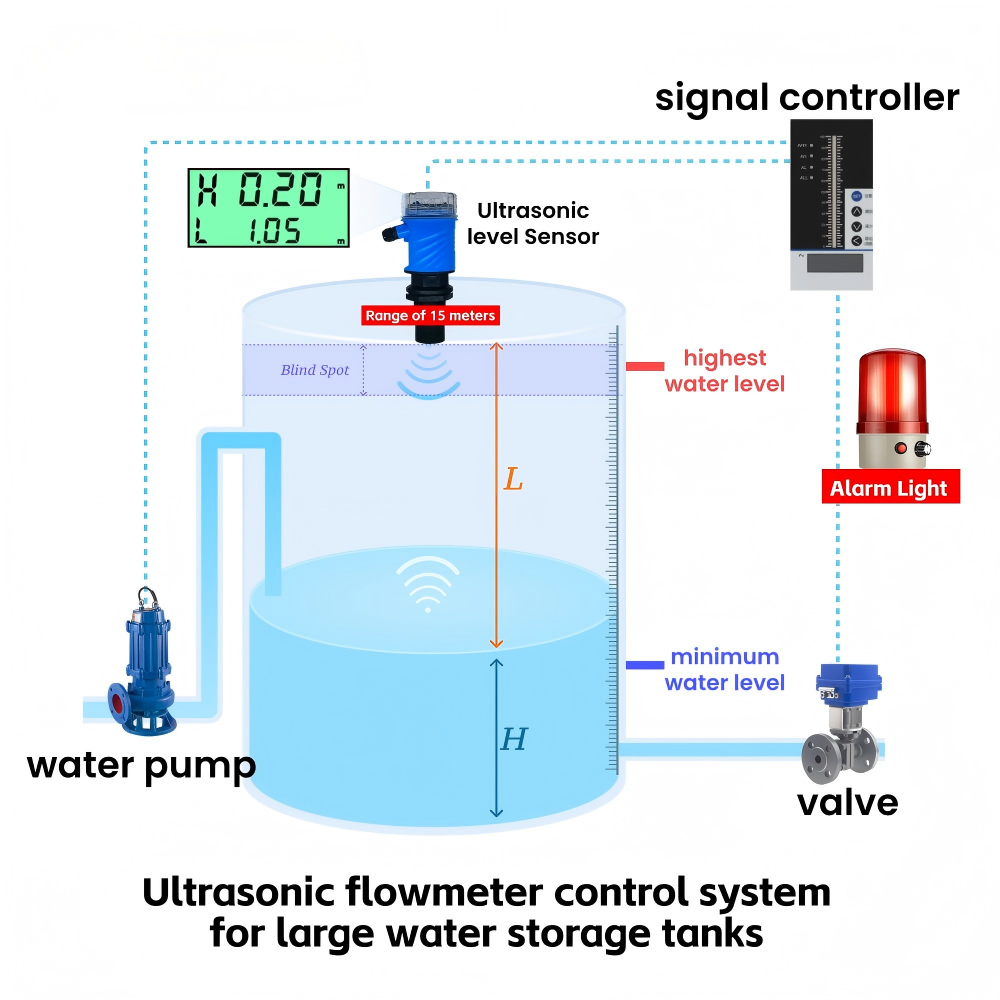
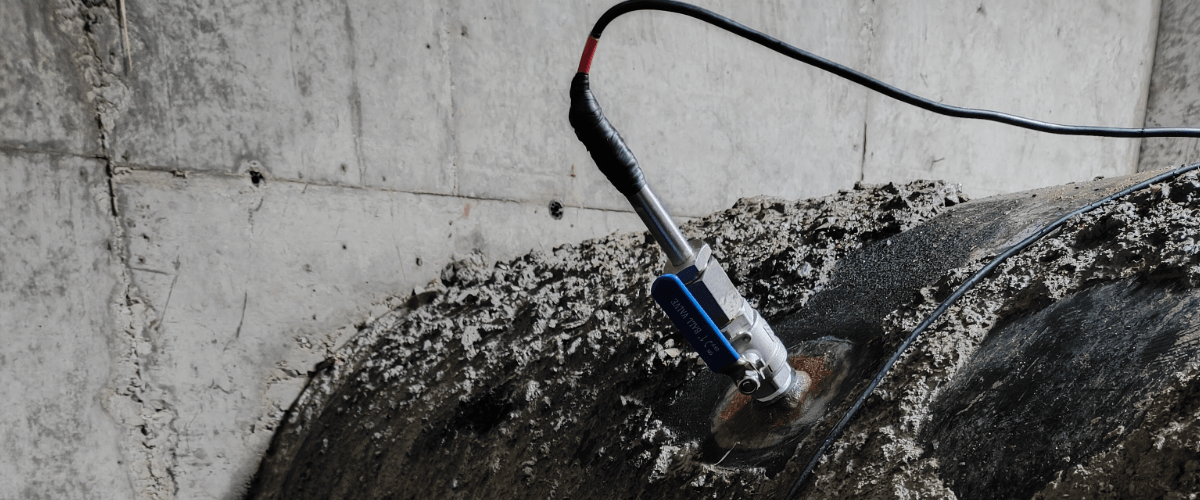
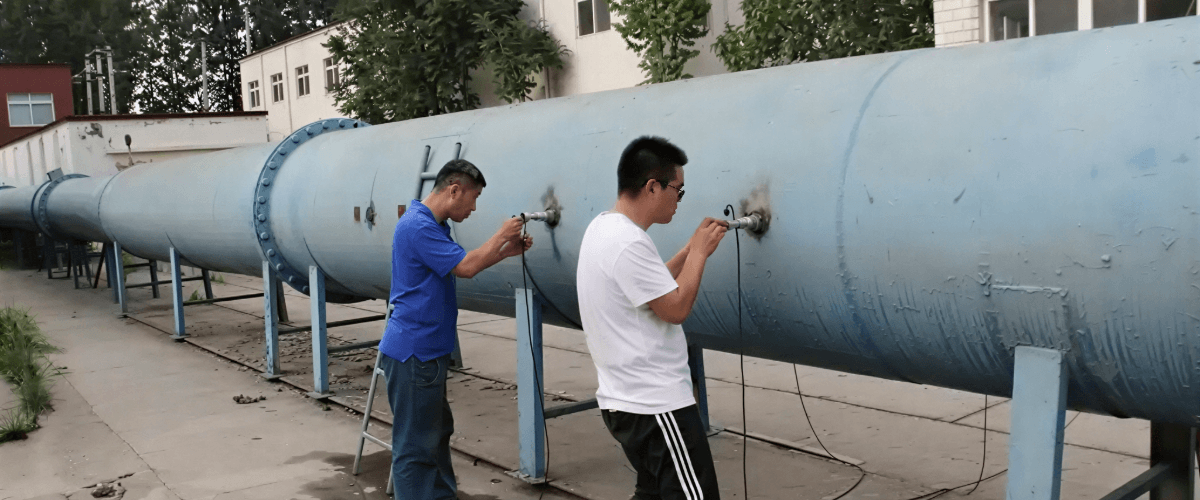

Ultrasonic flowmeters, as an advanced flow measurement tool, are widely used in various fluid flow monitoring scenarios. However, these flowmeters face challenges from various interference factors in practical use. These interference factors not only affect measurement accuracy but may also cause damage to the stability and reliability of the equipment.
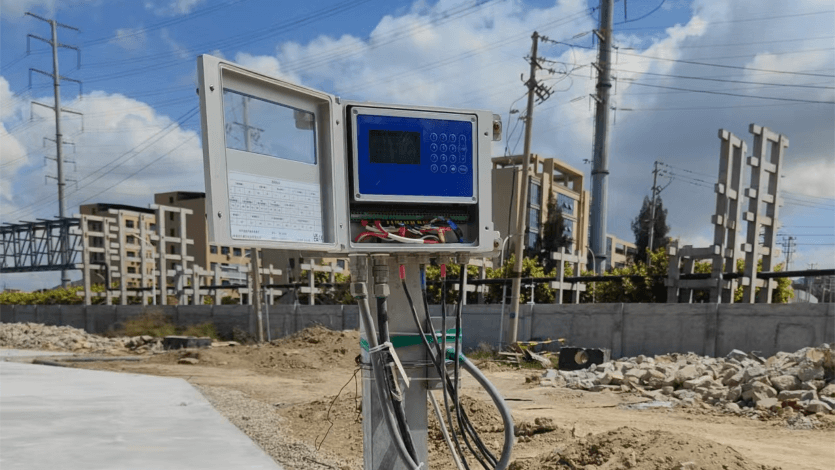
I. Internal Interference
Internal interference mainly comes from the components or working characteristics of the flowmeter itself, including but not limited to:
(1) Fouling on the inner wall of the pipeline: Fouling on the inner wall of the pipeline will affect the propagation of ultrasonic waves, leading to measurement errors of the flowmeter. The solution is to use a cleaning device to remove deposits in the pipeline.
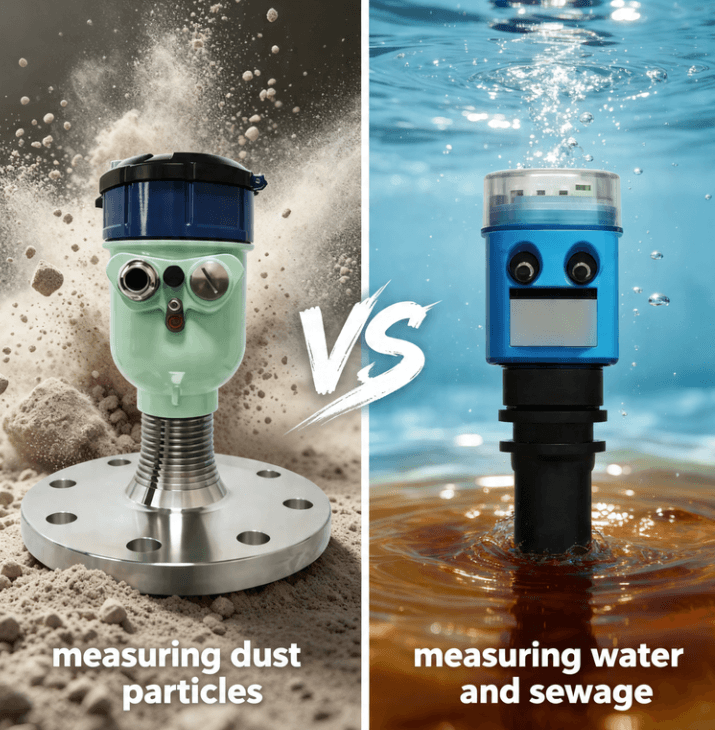
(2) Solid particles or bubbles in the liquid medium: These impurities will also interfere with the propagation of ultrasonic waves and affect measurement accuracy. They can be detected by using a settler or a gas detector and removed in a timely manner.
(3) Power supply fluctuations: Large fluctuations in the power supply may also cause errors in the flowmeter. This can be solved by calibrating with a power regulator.
II. External Interference
External interference mainly comes from the working environment of the flowmeter, including but not limited to:
(1) Pipeline vibration: Pipeline vibration will cause errors in the flowmeter. To reduce such interference, compensators can be installed or pipeline supports can be reinforced.
(2) Ambient temperature: Changes in ambient temperature may also affect the measurement accuracy of the flowmeter. This can be calibrated by using temperature compensation methods.
(3) Noise: Environmental noise, such as mechanical noise and electromagnetic noise, may affect the measurement of ultrasonic flowmeters. The use of sound insulation measures or filters can reduce noise interference.
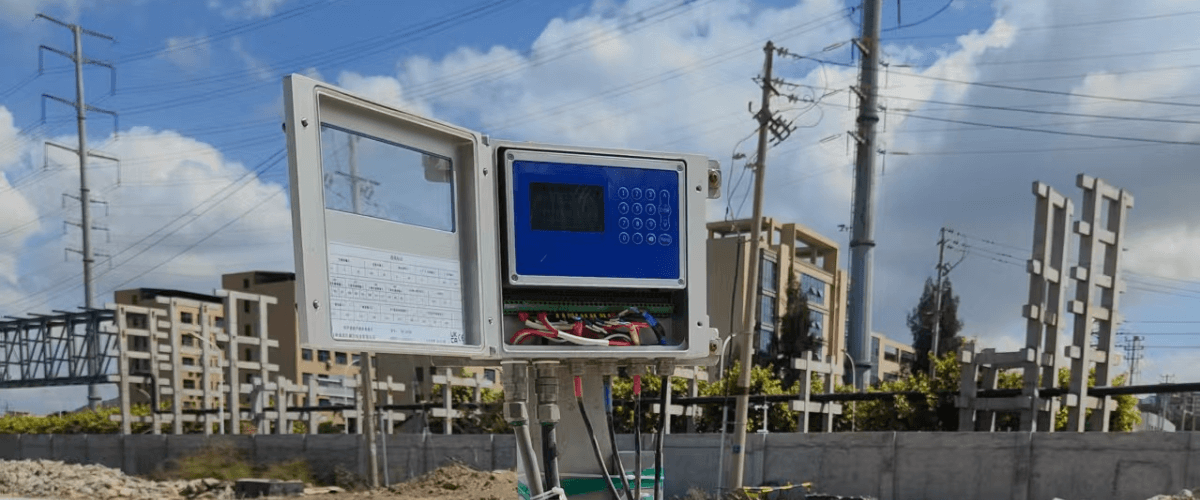
(4) Electromagnetic wave interference: In workplaces with complex electromagnetic environments, electromagnetic waves may interfere with the measurement signals of ultrasonic flowmeters. The use of filters to isolate spurious wave signals can reduce such interference.
(5) Electric and magnetic field interference: There may be strong electric and magnetic fields in the installation environment of the flowmeter, which will also affect its measurement. During installation, it should be kept away from strong electric and magnetic field sources as much as possible.
(6) Water pump noise: When the flowmeter is installed close to a water pump, the noise from the water pump may be close to the frequency of the ultrasonic signal, thus causing interference. In this case, measures should be taken to isolate or reduce the water pump noise.
In general, the ultrasonic flowmeter is a very effective flow measurement device, but in the actual application process, attention should be paid to the impact of interference factors to ensure its measurement accuracy and stability. By selecting appropriate equipment and measures, the impact of various interference factors can be effectively dealt with, thereby improving the reliability and accuracy of measurement data.